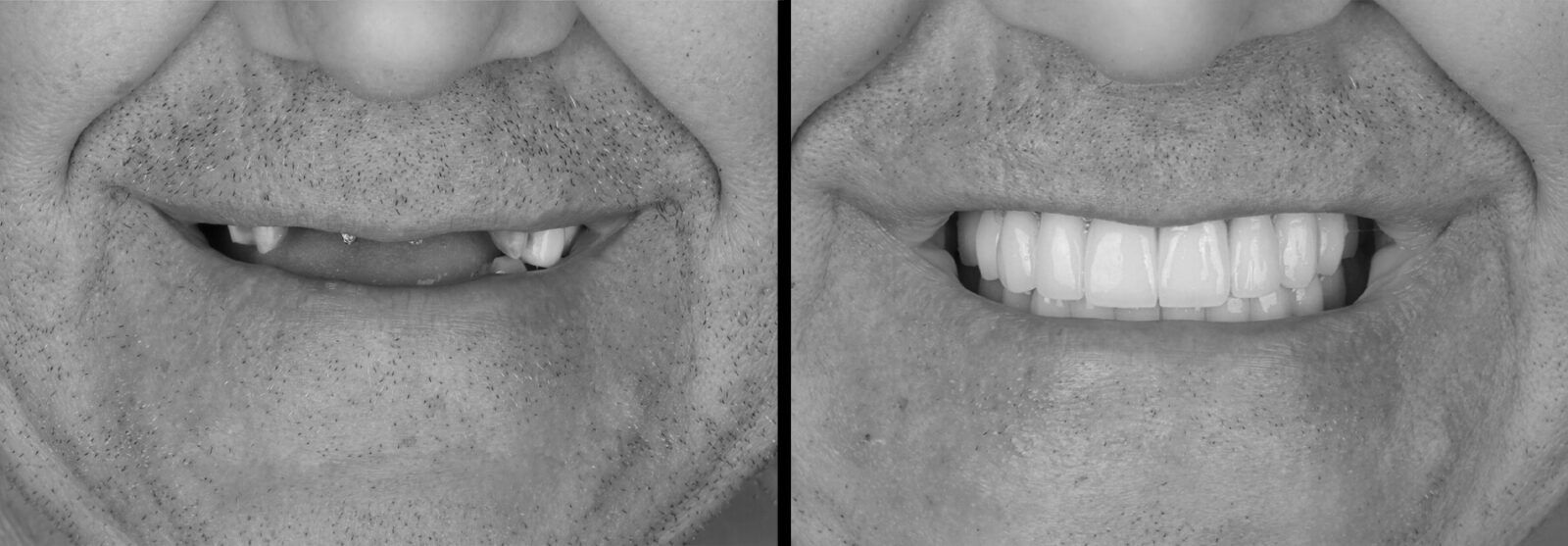
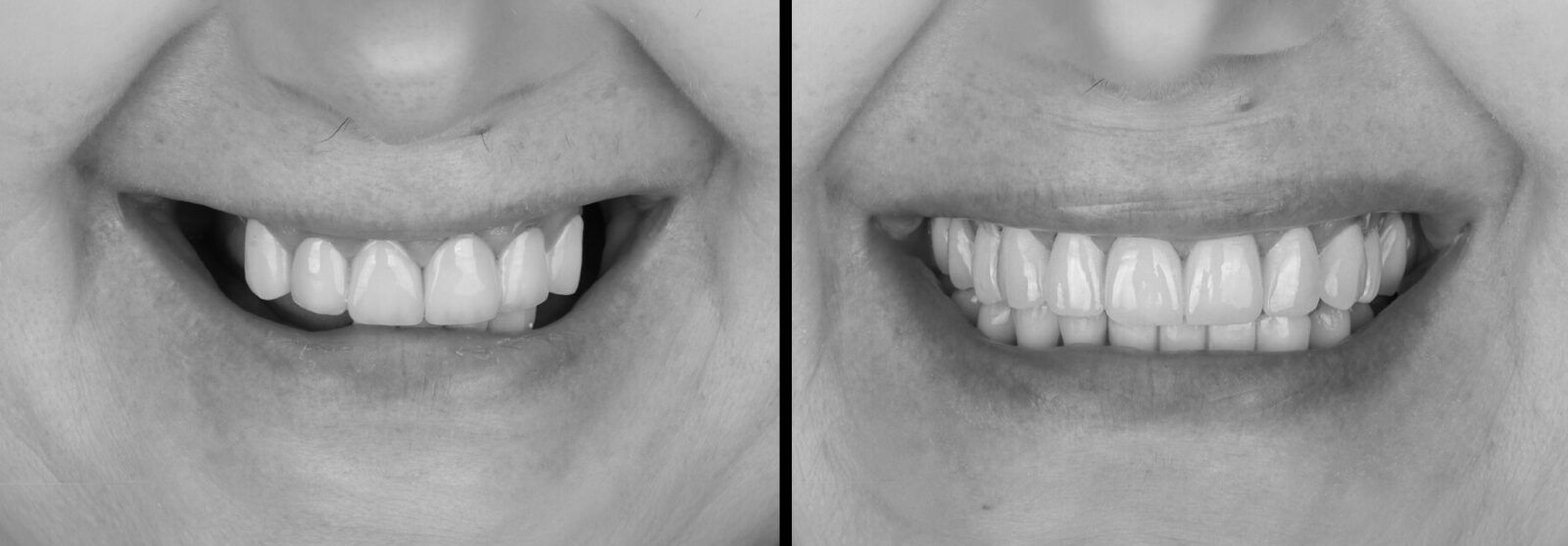
We provide custom-fit solutions designed to restore your smile’s function and beauty, even in the most challenging cases.
A Custom Path to Your New Smile
Solutions for Complex Dental Needs
Using advanced 3D-printing technology, we create a dental foundation tailored specifically to your unique anatomy, helping you regain the ability smile with total confidence.
What Is IPS® Preprosthetic?
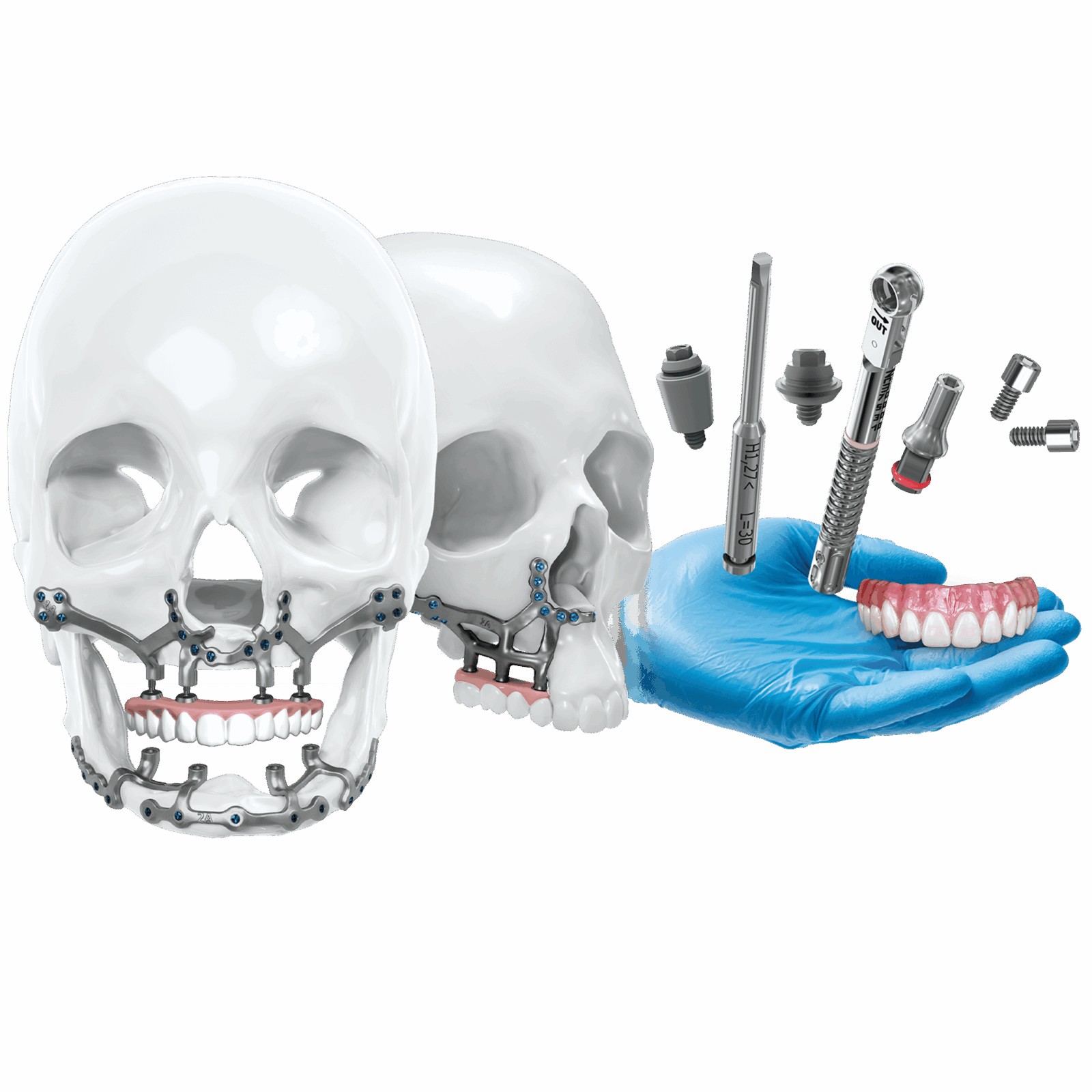
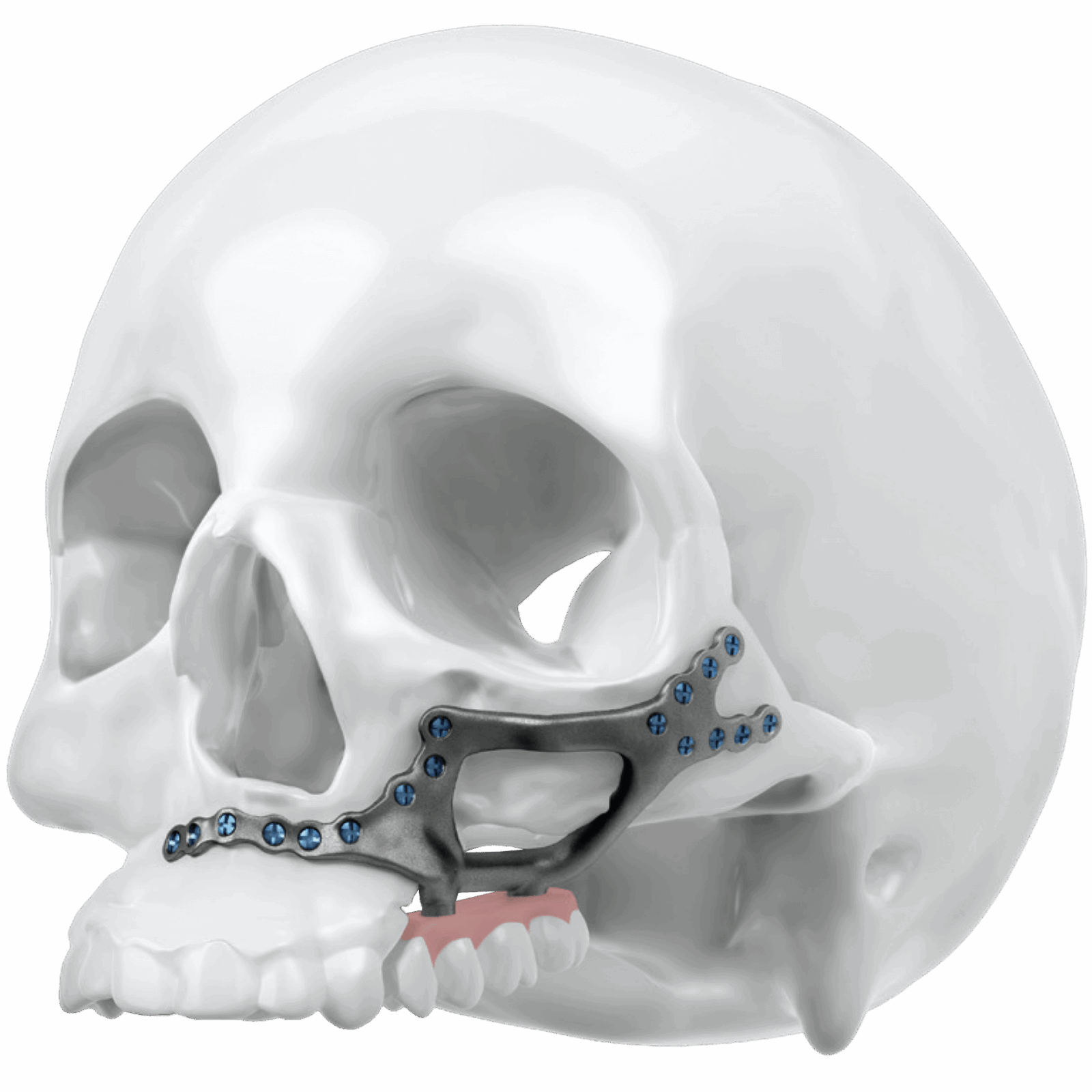
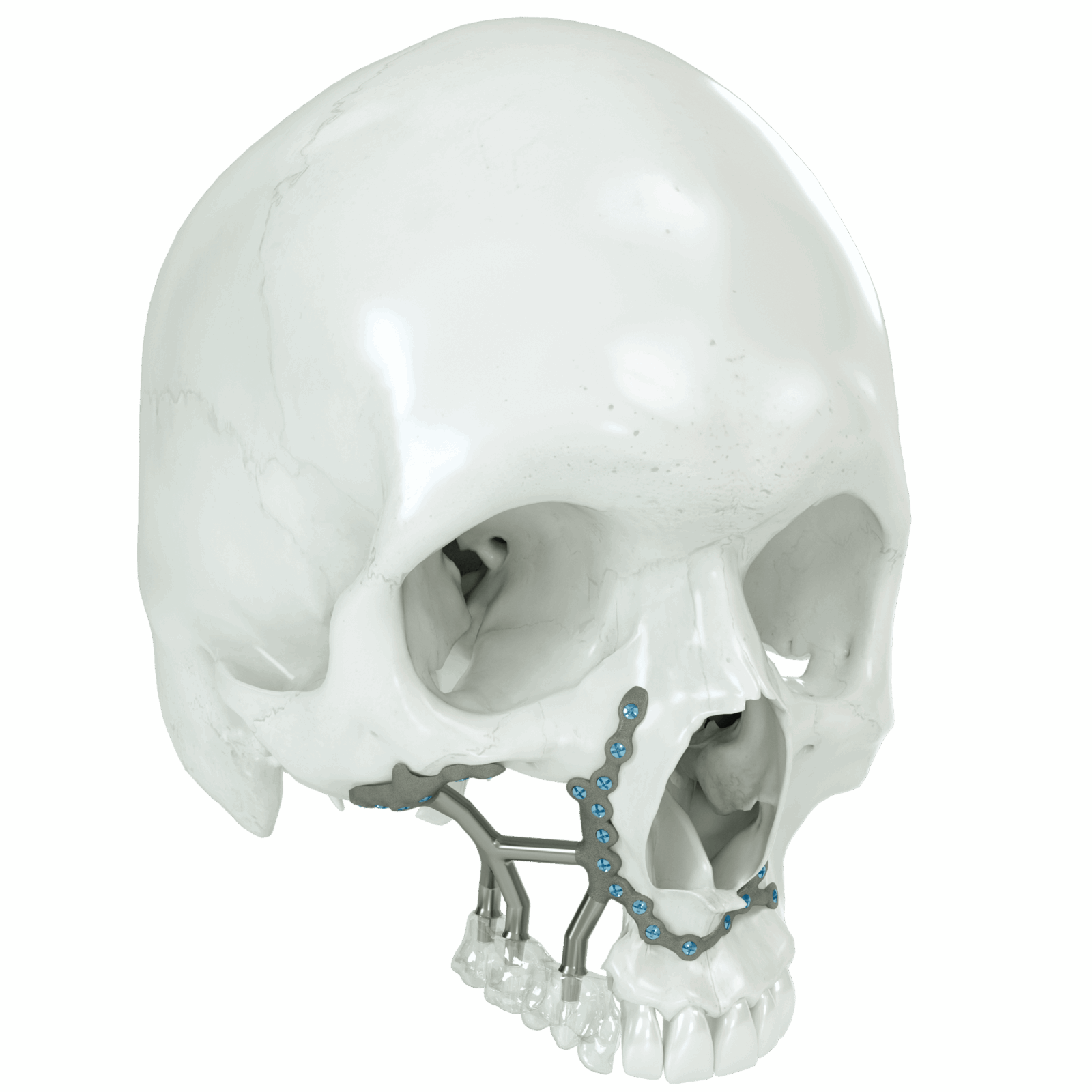
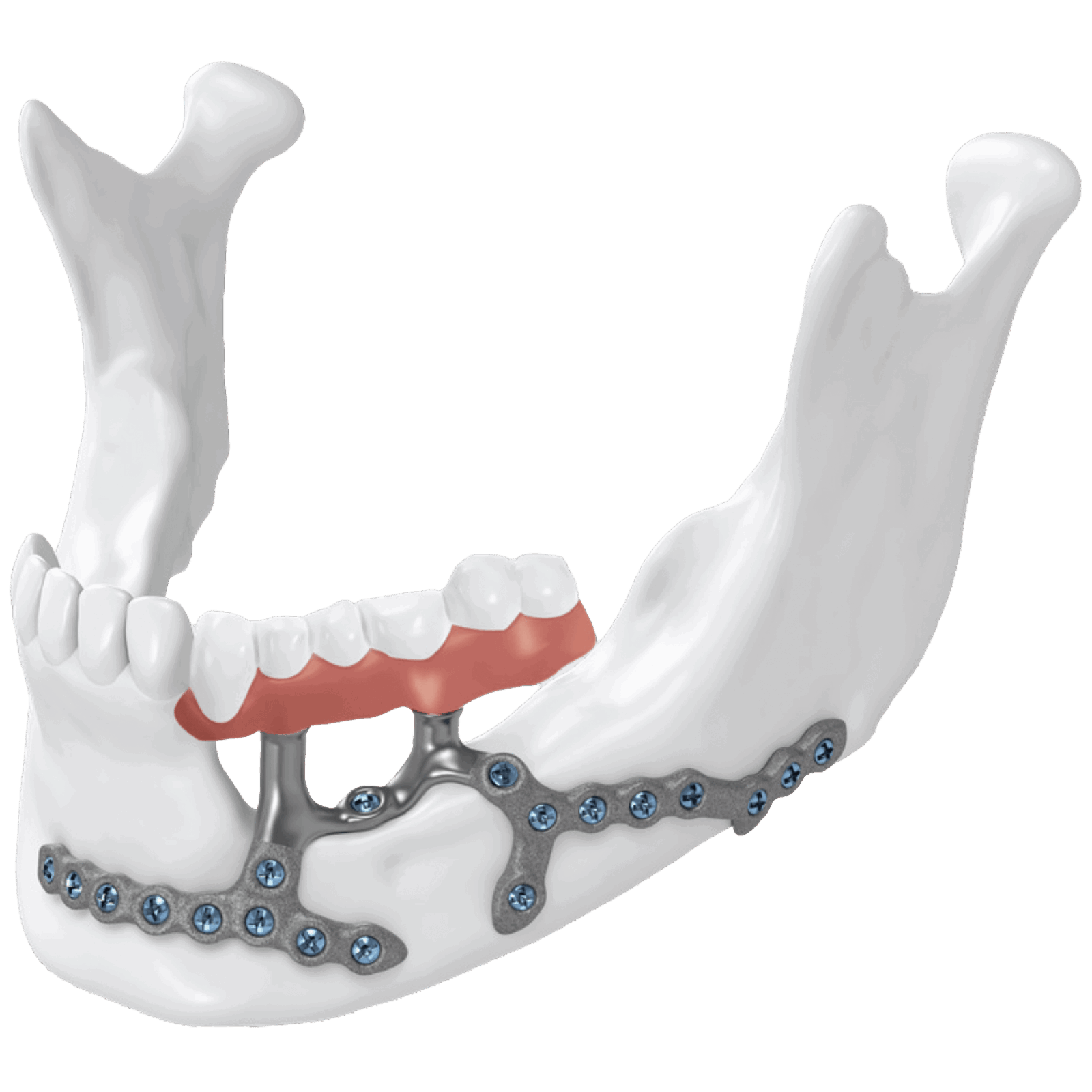
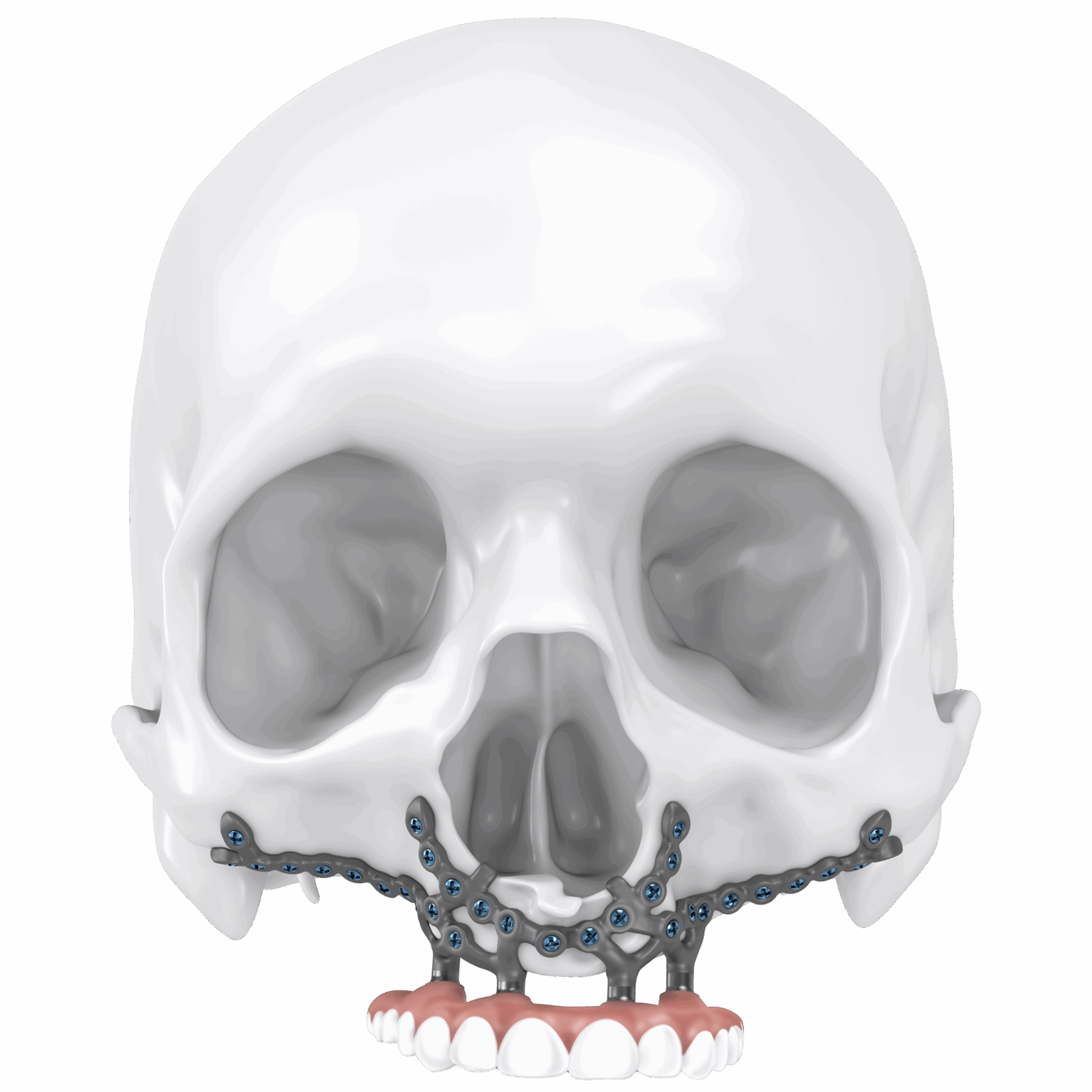
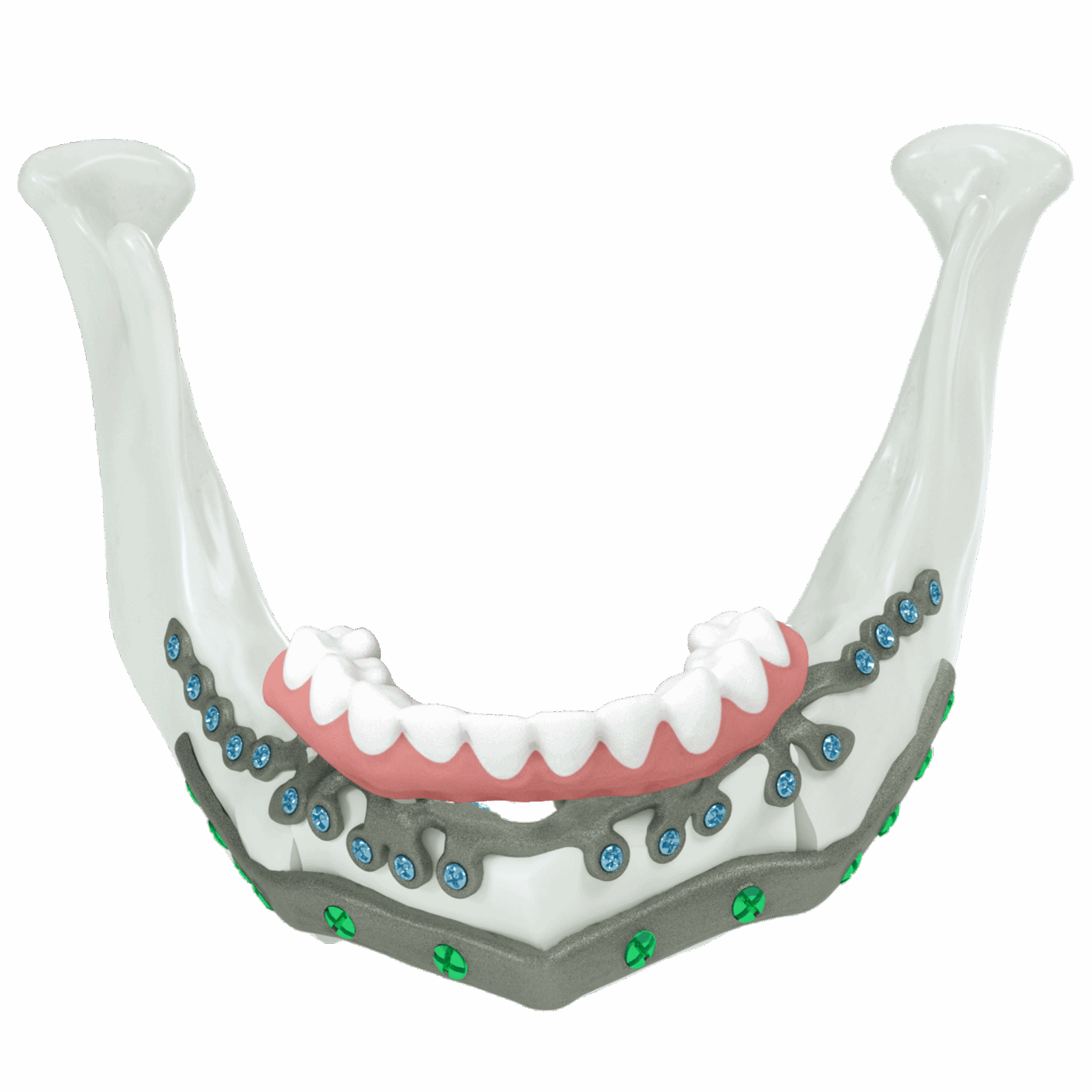
A custom-tailored foundation for your teeth. Unlike standard implants, this system is designed to fit your jaw’s exact shape, providing a secure and permanent base for your new smile.
We make your recovery simple and predictable. Our digital process means fewer appointments, a faster healing time, and a clear path from your first 3D scan to your final, beautiful result.
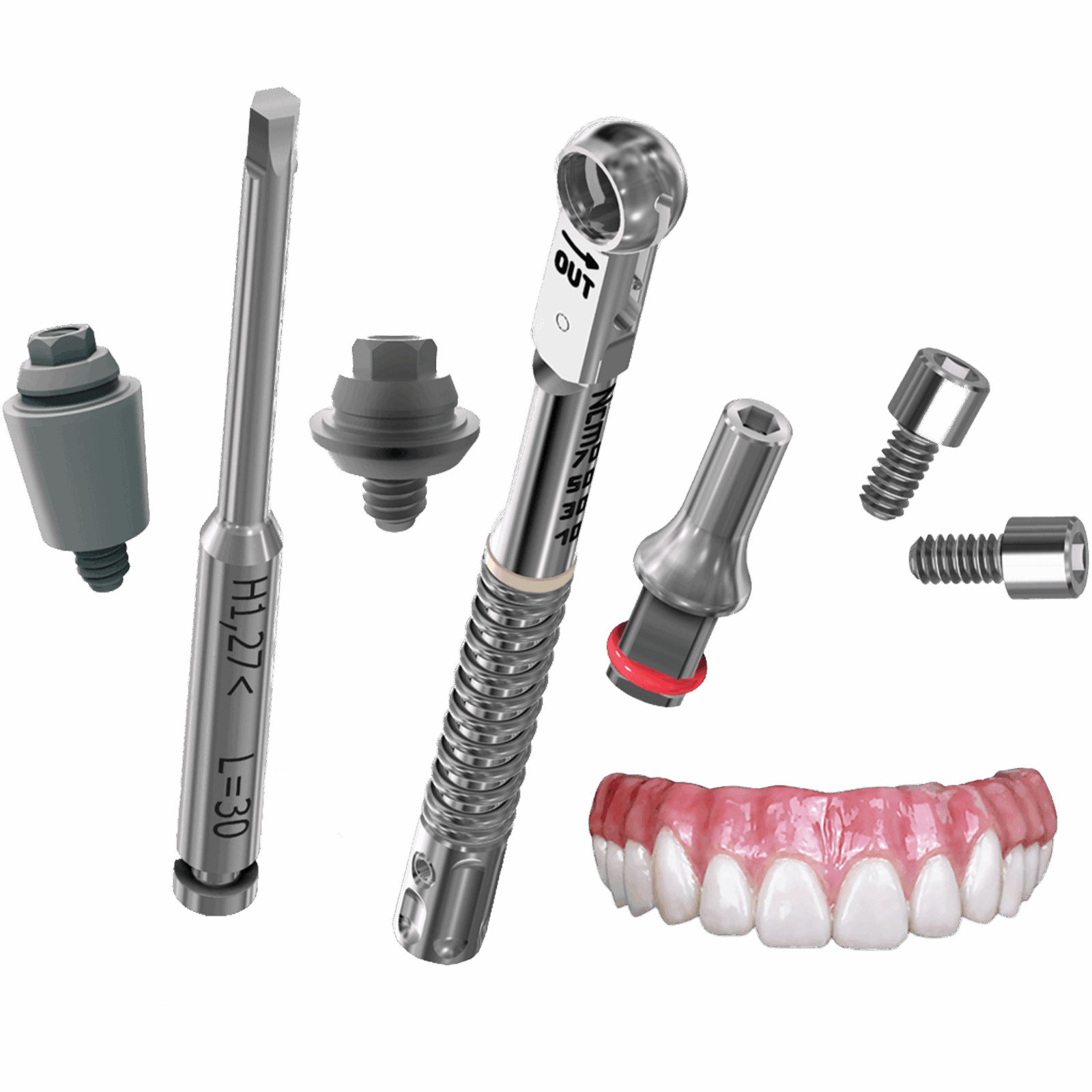
Your transformation is supported by a full suite of custom-engineered technology. We give your surgical team the precise tools they need to ensure your restoration is rock-solid, allowing you to eat, speak, and smile with total confidence.
The journey begins with high-resolution 3D imaging (CT or CBCT scans). These scans are uploaded to the IPS Gate® platform. Your surgeon works directly with KLS Martin engineers to virtually design an implant that fits your bone anatomy.
Surgical Implantation & Temporary Fitting
Once the custom titanium framework is manufactured using 3D laser melting, the surgery takes place. Because it was designed specifically for you, the implant fits precisely onto the bone surface.
Soft Tissue Healing & Digital Scanning
After surgery, there is a healing period (usually a few weeks) to allow the swelling to subside and the gums to settle around the titanium posts. Once the tissue is stable, the dentist uses an intraoral scanner (a digital camera for the mouth) to take a “digital impression” of the posts.
Final Prosthetic Fitting
The final stage involves the creation and attachment of your permanent teeth. A dental laboratory uses the digital scans to design a custom “bar” or “bridge” that snaps or screws onto the implant posts. A dental laboratory uses the digital scans to design a custom “bar” or “bridge” that snaps or screws onto the implant posts.
Find a Specialist
Connect With a Surgeon Trained in the Latest IPS® Reconstructive Technology
For patients with severe loss or thinning of the jawbone (maxilla or mandible) where standard screw-type implants have no foundation.
Loss of Jawbone
We specialize in restoring function for patients who have experienced significant bone loss due to long-term tooth loss or previous health issues.
Tumor Reconstructions
For those recovering from surgery or illness, we offer advanced, patient-specific solutions to rebuild your smile and restore your facial harmony.
Trauma Patients
We help patients recover from accidents and dental injuries by rebuilding their smile’s strength and natural appearance with precision-fit implants.
Unique Challenges
We provide personalized solutions for patients with complex health histories or unique bone structures that require more than a standard approach.
Cleft Lip and Palate
We provide specialized support for patients with cleft-related bone gaps, offering a stable and permanent foundation for a beautiful, functional result.
Your Questions Answered
Frequently Asked Questions
We believe in complete transparency and are here to provide the clear, honest information you need to make the best decision for your health.
Direct & Timely Support
We are here for you whenever you have a question, providing compassionate answers so you never feel alone in your journey.
Tailored Treatment Planning
We offer a transparent look at your unique digital roadmap, giving you a clear understanding of the steps involved and the results you can expect to achieve.
What makes an IPS® Preprosthetic different from a "normal" dental implant?
Standard implants are screws placed into the bone. If you don’t have enough bone, those screws have nothing to hold onto. An IPS Preprosthetic is a custom-made titanium framework that sits on your bone and is secured with small screws. It is designed specifically for your unique jaw shape using 3D imaging.
Am I a candidate for this procedure?
This system is typically reserved for patients with severe bone loss (atrophy), those who have lost jaw bone due to trauma or tumor removal, or those for whom traditional bone grafting has failed. Your surgeon will use a CT scan to determine if your bone structure can support the framework.
How long does the treatment take compared to traditional implants?
Traditional implants with bone grafting can take 12 to 18 months of healing before you get final teeth. Because the IPS framework provides immediate stability, the process is significantly shorter, often allowing for “immediate rehabilitation” (temporary teeth) shortly after surgery.
Is the surgery performed under general anesthesia?
Yes, because this involves exposing a larger area of the jawbone to seat the framework, it is typically performed in a hospital or surgical center under general anesthesia.
Will I be without teeth during the healing process?
In many cases, a temporary denture can be attached to the implant posts immediately or shortly after surgery, so you are not without teeth while the soft tissue heals.
Can the framework be removed?
The titanium framework is permanent and intended to stay for life. However, the prosthetic teeth (the denture or bridge) attached to it are usually “conditionally removable,” meaning a dentist can remove them for maintenance or repair.